Your refrigerator is the unsung hero of your kitchen, working 24/7 to keep your food fresh and your drinks cold. But when it starts making strange noises or—worse—leaking onto your hardwood floors, it can feel like a domestic emergency.
Before you rush to buy a new appliance, many common issues are actually DIY-friendly. In this blog, we’ll break down the most frequent fridge failures and the steps you can take to fix them.
The Refrigerator is Constantly Running
A refrigerator that never stops humming is one of the most common complaints among homeowners. Not only is the noise distracting, but a constantly running compressor significantly spikes your monthly electric bill. This usually happens when the system struggles to reach its target temperature due to restricted airflow or poor heat exchange. Addressing this promptly prevents the motor from burning out prematurely and keeps your kitchen energy-efficient and quiet.
The Cause
The most frequent culprit is a layer of dirt and pet hair coating the condenser coils. When these coils are buried in grime, they cannot release heat effectively. Consequently, the compressor must work incessantly to maintain the internal temperature. Other causes include a faulty door seal or setting the temperature too low, which forces the motor into a never-ending cycle.
The Fix
Begin by unplugging the unit and locating the coils behind the base grille or on the back. Use a specialized coil brush or a vacuum with a narrow attachment to gently remove the dust. While you are there, ensure the fridge has several inches of clearance from the wall for airflow. Finally, check that the thermostat is set to the manufacturer’s recommended level.
Water Leaking on the Floor
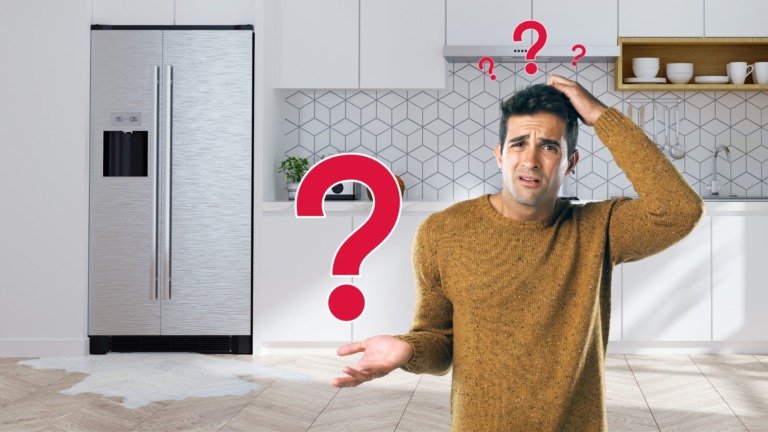
Discovering a pool of water in front of your fridge can be alarming, but it rarely means you need a new appliance. Most leaks are internal drainage issues rather than a plumbing catastrophe. If left unchecked, this moisture can damage your flooring and encourage mold growth. Fortunately, identifying the source of the leak is straightforward once you know where the defrost system directs the excess water.
The Cause
A puddle is usually the result of a clogged defrost drain. During the defrost cycle, melted frost is supposed to flow through a small hose into a pan underneath the fridge. If food particles or ice chunks block this passage, the water backs up, overflows the internal drain trough, and eventually finds its way onto your kitchen floor or inside the vegetable crispers.
The Fix
Locate the drain opening at the back of the freezer or refrigerator. Use a turkey baster filled with warm water to flush the drain and melt any ice blockages. You can also mix a teaspoon of baking soda with water for a deeper clean. If a physical object is stuck, use a flexible pipe cleaner or a piece of weed-whacker line to gently push the debris through.

Ice Maker is Overflowing or Not Working
Ice makers are notoriously finicky components. Whether you are dealing with a total lack of ice or a “iceberg” forming in your freezer bin, the problem usually relates to the water supply or the mechanical sensor. Because these units rely on precise timing and water pressure, even a small disruption can halt production. Proper maintenance of the water line and filter is the best way to ensure consistent performance.
The Cause
If your ice maker is acting up, the water inlet valve or the water filter is usually to blame. Low water pressure can prevent the valve from closing completely, causing a slow leak that eventually freezes the entire mechanism shut. Conversely, a clogged filter can restrict flow entirely, leaving you with empty trays. Sometimes, the “feel-arm” is simply stuck in the “off” position.
The Fix
First, check the water filter and replace it if it hasn’t been changed in six months. Ensure the shut-off valve behind the fridge is fully open. If the fill tube is frozen, use a hair dryer on a low, warm setting to thaw it out. If the ice maker continues to overflow after these steps, the solenoid in the water inlet valve is likely defective and requires replacement.
The Fridge is Too Cold (Freezing Your Milk)
When your milk turns to slush and your vegetables freeze, the refrigerator’s internal climate control has lost its balance. This is often more than just a thermostat setting issue; it usually involves the components that regulate the movement of cold air from the freezer into the fresh food compartment. Restoring the correct temperature is vital for food safety and preventing the waste of expensive groceries.
The Cause
This frustrating issue is often caused by a malfunctioning thermistor or a blocked air vent. The thermistor monitors the air temperature and signals the control board to start or stop cooling. If it’s sending inaccurate data, the fridge stays on too long. Additionally, if food is packed too tightly against the cold air vents, it can trap freezing air in one specific spot.
The Fix
Start by rearranging your groceries to ensure clear airflow around the internal vents. Check the temperature settings; the fridge should be between 37°F and 40°F. If the problem persists, use a multimeter to test the thermistor’s resistance. If the resistance doesn’t change with the temperature, the part is faulty. Replacing a thermistor is a simple, inexpensive DIY task that usually requires only a screwdriver.
A Torn or Dirty Door Seal (Gasket)
The door gasket is a simple rubber strip, but it is the primary barrier between your food and the warm air in your home. A compromised seal is a silent energy killer. If the door doesn’t close tightly, your fridge will struggle to maintain its temperature, leading to frost buildup and spoiled food. Inspecting the seal regularly is the easiest way to prolong the life of your compressor.
The Cause
The rubber gasket creates an airtight seal that keeps cold air in and warm air out. Over time, spills and crumbs can make the seal sticky, causing it to tear when the door is opened. Exposure to air also makes the rubber brittle and prone to cracking. Once the seal fails, moisture enters the fridge, leading to heavy frost buildup and increased energy consumption.
The Fix
Inspect the seal for cracks or gaps. If it’s just dirty, scrub it with warm, soapy water and a soft cloth, then apply a thin layer of petroleum jelly to keep the rubber supple. To test it, close the door on a dollar bill; if it slides out easily, the seal is shot. If replacement is necessary, most gaskets simply peel out and press into a groove.
When to Call a Professional?
While DIY fixes can resolve many minor issues, some refrigerator problems require the expertise of a certified technician. Attempting to repair complex electrical systems or pressurized gas lines without the proper tools and training can be dangerous and may void your warranty. If you notice persistent electrical sparks, a total loss of cooling, or if your troubleshooting efforts fail to yield results, it is time to call in a professional to protect your investment.
Compressor Failure
The compressor is the heart of your refrigerator’s cooling system. If you hear a persistent clicking sound followed by silence, or if the back of the unit feels excessively hot while the interior remains warm, the compressor is likely failing. Because this component involves high-voltage electrical parts and manages the entire cooling cycle, replacing it is a complex job best left to experts.
Refrigerant Leaks
If your refrigerator is running constantly but failing to get cold, you might have a refrigerant leak. This is a serious issue that cannot be fixed with a simple DIY patch. Refrigerant is a regulated chemical that requires specialized equipment to handle safely. A professional must locate the breach, seal the system, and recharge the gas to restore proper cooling efficiency.
Control Board Issues
The control board acts as the brain of your appliance, regulating everything from defrost cycles to temperature sensors. If your fridge displays erratic error codes, flickering lights, or won’t turn on despite being plugged in, the board may be shorted out. Since diagnosing a faulty circuit board requires precise electrical testing, a technician is needed to ensure the correct part is replaced safely.
Conclusion
Regular maintenance is the best way to prevent costly refrigerator breakdowns. By addressing minor leaks, cleaning coils, and checking seals early, you can significantly extend your appliance’s lifespan. However, always recognize your limits—don’t hesitate to contact a professional for complex mechanical or electrical issues to ensure your kitchen remains safe.