We rely on our washing machines to keep our clothes fresh, clean, and smelling great. But have you ever opened your washer door and caught a whiff of a musty, damp odor? Or noticed dark, slimy spots clinging to the rubber gasket?
If so, you are not alone. Because washing machines use stagnant water, warmth, and dark enclosed spaces, they create the ultimate breeding ground for mold and mildew. Not only does this leave your clothes smelling less-than-fresh, but it can also trigger allergies and shorten the lifespan of your appliance.
In this complete blog, we will break down why mold happens, how to deep clean your washer to get rid of it completely, and simple preventive habits to keep it from coming back.
Why Does Mold Grow in Washing Machines?
Modern washing machines are designed to be energy-efficient, often using less water and lower wash temperatures. While this is great for your utility bill and the environment, it has a downside: cooler water and gentle cycles don’t always wash away detergent residue, skin oils, and dirt.
Over time, this leftover organic residue combines with trapped moisture—especially in front-load washers with airtight rubber seals—to feed mold and mildew spores.
Step-by-Step Guide: How to Clean Mold from Your Washer?
If mold has already taken hold, a standard wash cycle won’t cut it. Follow these steps to deep clean your machine:
Tackle the Rubber Gasket (Front-Loaders)
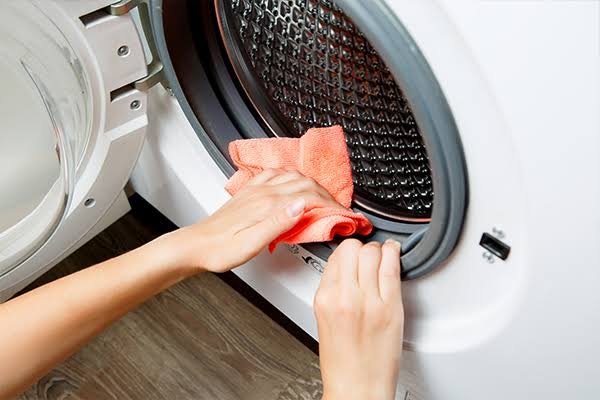
Peel back the folds of the rubber door seal. Spray a mixture of equal parts white vinegar and water (or a mild mold-removal spray) onto the surface. Let it sit for 5 to 10 minutes, then wipe it clean with a microfiber cloth or an old toothbrush to get into the crevices.
Scrub the Detergent Dispenser Drawer
Pull the soap drawer completely out. Most drawers have a small tab you can press to release them. Soak the drawer in warm, soapy water and use a brush to scrub away built-up detergent sludge and black mold spots. Wipe out the cavity inside the machine before sliding the drawer back in.
Run a Hot Maintenance Cycle
Add two cups of white vinegar directly into the drum (or half a cup of baking soda into the drum and vinegar in the dispenser). Run your washer on its hottest, longest cycle (such as “Tub Clean” or “Sanitize”). This breaks down mineral buildup and kills lingering mold spores.
Perform a Rinse Cycle
Run one final quick cycle with plain hot water to flush away any loosened debris or strong vinegar odors.
Proactive Tips to Prevent Future Growth
Prevention is much easier than scrubbing away stubborn mildew. Incorporate these habits into your laundry routine to keep your machine sparkling clean:
Leave the Door Open
Always leave the washer door or lid cracked open after a cycle finishes. This allows air to circulate and moisture to evaporate, starving mold of the humidity it needs to grow.
Wipe Down the Seal
Keep a small microfiber cloth nearby and take 5 seconds to wipe down the rubber door seal and glass window after your last load of the day.
Use the Right Amount of Detergent
More soap doesn’t mean cleaner clothes. Excess detergent leaves a sticky film inside the drum and pipes that acts as food for mold. Stick to the manufacturer’s recommended measurements—and consider switching to high-efficiency (HE) formulas if you use a front-loader.
Remove Clean Laundry Promptly
Leaving wet clothes sitting in the drum for hours creates a damp, humid microclimate that encourages rapid mold growth.
Final Thoughts
A clean washing machine is the secret to genuinely clean laundry. By taking a few minutes each month to deep clean your appliance and adopting simple daily drying habits, you can protect your clothes, your health, and your investment.