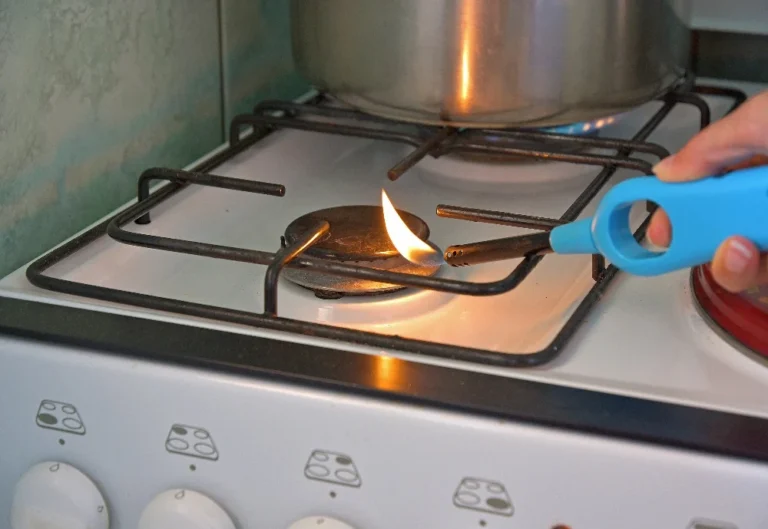
There is nothing quite as frustrating as stepping into the kitchen, ready to cook a delicious meal, only to twist your stove’s control knob and hear nothing—or just see a frustrating series of silent clicks. A gas stove burner that refuses to ignite can instantly halt your cooking plans and leave you wondering if you need an expensive professional service call or a brand-new appliance.
Fortunately, many common ignition issues stem from minor malfunctions that you can easily troubleshoot and fix yourself. Read on to discover why your gas stove burners won’t ignite, how to safely diagnose the culprit, and when it is time to call in a technician.
Dirty or Clogged Igniter Ports
Spills, grease splatter, and stray food particles are a cooktop’s worst enemies. Over time, residue can build up around the burner head and clog the tiny ports where gas escapes. If the gas cannot reach the spark, the burner will fail to light.
The Fix
Let your stove cool down completely. Remove the burner grates and caps, then scrub the burner heads using warm, soapy water and a non-abrasive sponge. For stubborn debris stuck in the ports, use a soft-bristled toothbrush or a straightened paperclip to gently clear them out. Dry all components thoroughly before reassembling.
Moisture Trapped After Cleaning
If you recently gave your cooktop a deep clean, you might have accidentally trapped water inside the burner assembly. If the igniter is wet, it cannot generate the necessary electric spark to light the gas.
The Fix
Remove the burner caps and heads and inspect them for moisture. Wipe everything down with a clean, dry microfiber cloth. If they look damp, let them air-dry for 30 to 60 minutes, or use a hair dryer on a low, cool setting to speed up the process.
Misaligned Burner Caps
Sometimes the simplest explanation is the right one. If your burner caps are tilted, crooked, or not seated properly after cleaning, the gas flow will be disrupted, or the spark may be deflected away from the gas stream.
The Fix
Check each burner cap to ensure it sits flat and level in its designated groove. Make sure it is centered properly over the burner base.
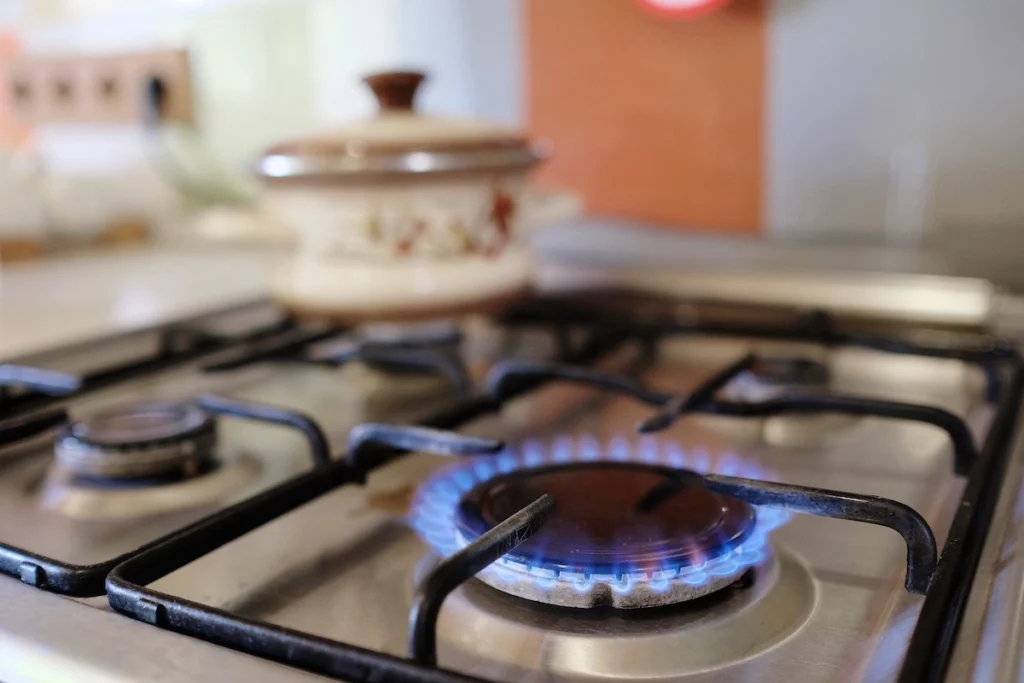
A Faulty or Broken Igniter Switch
When you turn your stove knob, it sends an electrical signal to the spark module, which powers the igniter. If you hear the clicking sound on one burner but not the other, the individual switch beneath that specific knob may be worn out or coated in grease. If no burners click at all, the issue likely points to a centralized spark module or a tripped circuit breaker.
The Fix
Test each knob to see if the clicking sound occurs universally. If a single burner fails to click while others work fine, the switch harness beneath the control panel may need replacement. If your electronic ignition system has lost power entirely, check your kitchen’s circuit breaker to ensure it hasn’t tripped.
Summary Checklist for Troubleshooting
- Clear away food debris and grease from burner ports.
- Ensure all components are completely dry after cleaning.
- Verify that burner caps are flat and properly aligned.
- Listen for the ignition click to isolate switch or power issues.
Final Thoughts
Dealing with a gas stove that won’t ignite can disrupt your routine, but many issues stem from simple fixes like cleaning clogged ports, drying moisture, or realigning burner caps. Regular maintenance keeps your kitchen running smoothly and safely. However, if basic troubleshooting fails or you suspect electrical and gas line complications, always prioritize safety by calling a certified professional technician to handle the repairs.