Buying a brand-new appliance is exciting. Whether you are upgrading to a sleek induction cooktop, a high-efficiency washer, or a smart refrigerator, the anticipation of better performance and modern convenience is hard to beat.
However, the excitement can quickly fade when delivery day arrives and a surprise fee pops up—or worse, the delivery crew drops off the box and leaves you staring at tangled hoses, unstripped wires, and a heavy unit you can’t move yourself.
Understanding what is—and isn’t—typically included in professional appliance installation can save you from unexpected headaches, extra costs, and code-compliance issues. Let’s break down what you need to know before your new appliance arrives.
What’s Typically Included in Standard Appliance Installation?
When you purchase a major appliance from a reputable retailer or hire a professional installation service, a basic standard installation usually covers the essentials required to get the unit safely into your home and in working order.
Safe Delivery and Placement
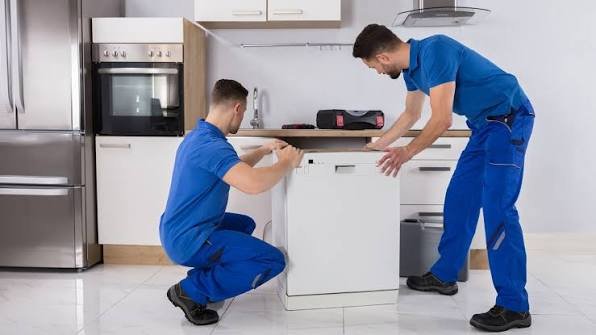
Standard installation starts with securely moving the appliance from the truck to its final location. Installers handle the heavy lifting, navigating doorways and stairs to prevent damage to your home. They will also carefully unbox the unit and remove all shipping materials, tape, and protective films.
Basic Connection to Existing Hookups
Installers will connect your new appliance to your home’s pre-existing, accessible utilities. This includes plugging units into standard electrical outlets, attaching washing machine hoses to existing hot and cold-water valves, or connecting a refrigerator’s ice maker to an already established and active water line.
Leveling
Proper leveling is critical for appliances like washing machines and refrigerators to prevent excessive vibration, noise, and premature wear. Installers will adjust the threaded leveling legs on the bottom of the unit, using a level tool to ensure the appliance sits perfectly flat on your floor.
Basic Operational Testing
Before leaving, the installation crew will perform a quick functional test. They will power on the appliance, run a brief test cycle on a washer or dishwasher, and ensure the basic controls respond correctly. This confirms the unit arrived undamaged and is ready for everyday use.
Haul-Away (Often Optional)
Many retailers offer to remove and responsibly recycle your old appliance. While incredibly convenient for disposing of heavy, bulky items, this is rarely free. It usually requires an additional fee added during checkout, and the old unit must typically be empty and uninstalled prior to removal.
What Is NOT Included? (The Hidden Surprises)
Standard installation services are designed for straightforward, plug-and-play scenarios. If your home requires specialized labor, modifications, or new parts to meet safety codes, it falls outside the scope of a basic delivery crew.
Plumbing and Electrical Modifications
Standard delivery crews are not licensed electricians or plumbers. They will not upgrade circuit breakers, install new wall outlets, move gas lines, or solder custom pipes. If your space requires technical utility upgrades to safely support the new appliance, you will need to hire a licensed contractor beforehand.
Custom Cabinetry or Carpentry Work
If your replacement appliance differs in size from your old one, standard installers will not alter your kitchen layout. They do not cut countertops, trim cabinet doors, or build custom enclosures. Any necessary spatial adjustments must be completed by a carpenter before the installation team arrives.
Ventilation and Ductwork
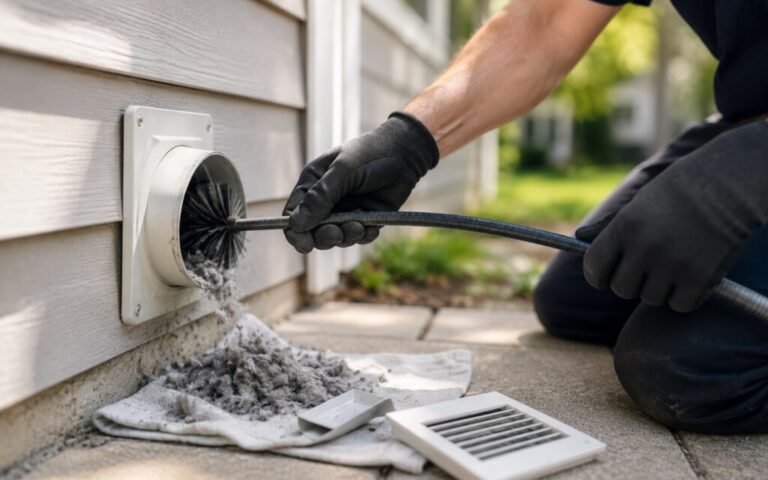
For dryers, range hoods, or over-the-range microwaves, delivery teams will not cut new holes through walls or roofs. They also typically refuse to install, reroute, or repair rigid metal ductwork. Homeowners must ensure proper ventilation pathways are fully established prior to the scheduled delivery date.
Permits and Code Compliance
Major appliance upgrades often require local building, electrical, or plumbing permits to comply with municipal codes. Retail installation crews do not secure or pay for these permits. Researching local regulations, filing necessary paperwork, and scheduling mandatory safety inspections remain entirely the responsibility of the homeowner.
Supplying New Hardware
Installers generally do not provide secondary installation materials. You are expected to supply necessary new parts, such as stainless-steel braided water supply lines for washers, new gas connectors, or dedicated ice-maker water lines. Reusing old, worn-out hoses can lead to catastrophic leaks and void warranties.
How to Prepare and Avoid Last-Minute Delays?
A little preparation goes a long way toward ensuring a smooth, stress-free installation day.
Clear the Path
Before the delivery team arrives, clear a wide, unobstructed path from your front door to the installation site. Remove area rugs, low-hanging decorations, children’s toys, and household pets. This prevents tripping hazards and protects your walls and floors from accidental scuffs while moving heavy units.
Inspect Existing Hookups
Take time to inspect your water valves, electrical outlets, and gas lines prior to delivery day. If you notice rusted shut-off valves, loose outlets, or outdated wiring, call a licensed professional to service them. Working hookups ensure a fast, seamless installation without unexpected delays.
Empty the Old Unit
If you scheduled haul-away service, your old appliance must be completely ready to go. Remove all food from refrigerators and freezers, drain water from washing machines, and take out any items left inside dishwashers or dryers. Unplug the unit and let it defrost or dry out beforehand.
Read the Fine Print
Always review your retailer’s delivery and installation agreement carefully before purchase. Look closely at what is included, what extra parts you need to buy, and any clearance requirements. Knowing the fine print prevents last-minute surprises, extra fees, or cancelled appointments when the delivery crew shows up.
Pro Tip: Always measure twice before you buy. Measure doorways, hallways, stairwells, and the appliance cavity itself, allowing at least an inch of clearance for ventilation and connections.
Conclusion
Upgrading your home appliances should be an exciting milestone, not a stressful ordeal. By understanding the clear boundaries between standard delivery services and specialized contractor work, you can easily avoid hidden fees, delayed installations, and last-minute scrambling. Always measure your space carefully, prepare your home before the delivery crew arrives, and read your retailer’s guidelines. With a little proactive planning, you will be enjoying your new appliance quickly and safely.