When your microwave starts acting up, it can quickly turn a quick meal into a stressful situation. Whether you are dealing with a light show, a strange hum, or a dead appliance, understanding the root cause can help you decide whether it is a quick DIY fix or time for a replacement.
Why Is Your Microwave Sparking?
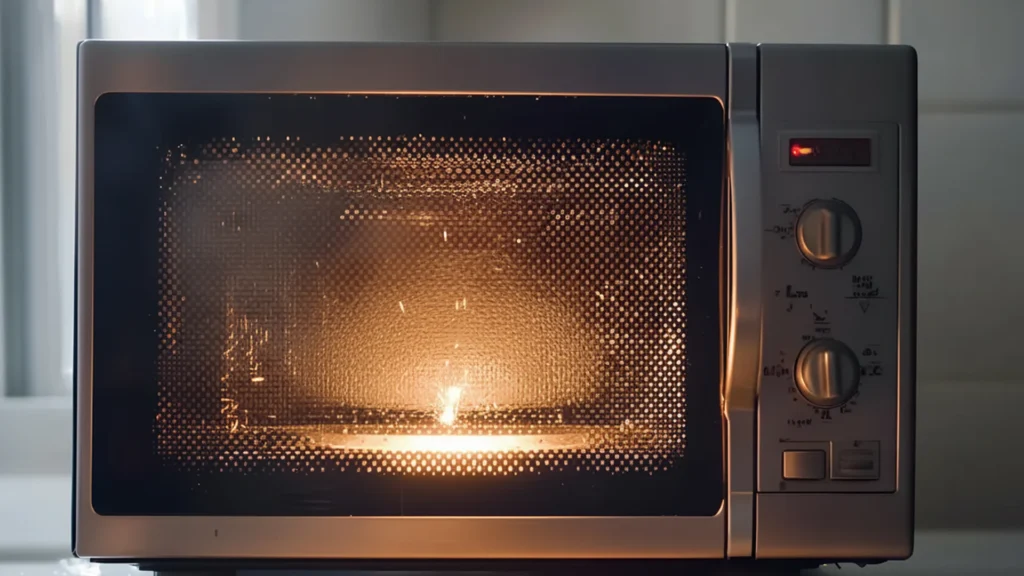
Seeing sparks fly inside your kitchen appliance is alarming and requires immediate action. This dangerous phenomenon, known as electrical arcing, occurs when electricity discharges through the air inside the cavity. If ignored, it can permanently damage your appliance or start a fire. Unplug the unit right away and inspect the interior for the most common culprits.
Trapped Metal
Using foil-lined containers, silverware, or ceramic plates with metallic paint accents will instantly create severe electrical sparks. Microwave energy bounces off metal surfaces rather than passing through them to heat food. Always use microwave-safe glass, ceramic, or labeled plastics to protect your kitchen and prevent dangerous household electrical hazards.
Damaged Waveguide Cover
The waveguide cover is a small cardboard or plastic sheet protecting the internal channel that directs heat. If food splatters build up and burn this shield away, exposed metal underneath will arc violently. Inspect this cover regularly, clean away grease buildup, and replace it immediately if you notice holes or severe discoloration.
Worn Rack Supports
If your microwave uses a built-in metal rack, chipped paint, exposed wire, or improper placement can cause intense electrical friction against the interior walls. Ensure your rack is correctly seated in its designated slots, and never use it if the protective coating has worn down to the bare metal underneath.
Safety First: If your microwave sparks, unplug it immediately and inspect the interior for burn marks or damaged components.
What Does That Loud Buzzing Mean?
While a standard, low hum is completely normal during operation, a sudden loud buzzing, grinding, or rattling noise is a clear warning sign. It indicates an internal electrical or mechanical malfunction that demands your attention. Ignoring these harsh sounds can lead to total appliance failure or expensive electrical damage. Turn off and unplug your microwave immediately to investigate these common internal issues safely.
Failing High-Voltage Transformer
The high-voltage transformer supplies the necessary power to run your microwave effectively. As these heavy internal components age or experience power surges, their internal windings can begin to fail, causing a loud, heavy hum. If your transformer is overheating or breaking down, it will struggle to function properly, requiring a professional replacement by an experienced appliance repair technician.
Magnetron Malfunction
The magnetron is the core power component responsible for generating the microwaves that actually cook your food. When a magnetron shorts out or fails completely, it often emits a very loud buzzing noise accompanied by a total lack of heating. Because replacing a magnetron involves dealing with high-voltage parts, professional service is usually required.
Loose Cooling Fan
Microwaves rely on internal cooling fans to prevent the electronic components from overheating during heavy use. Over time, accumulated grease, trapped debris, or a loose mounting bracket can cause the fan blades to rattle aggressively against the housing. Cleaning out the ventilation area or securing the fan usually resolves this annoying operational noise quickly.
Why Did Your Microwave Suddenly Stop Working?
Finding your microwave completely dead with a blank control panel and zero response is frustrating. This sudden failure usually points to a disruption in the electrical supply or a triggered safety mechanism designed to protect your home. Before throwing the appliance away or calling for expensive repairs, check a few common culprits like tripped breakers, faulty door latches, or internal safety fuses to diagnose the root problem.
Blown Thermal Fuse
Microwaves are equipped with a critical built-in safety device known as a thermal fuse. If the appliance begins to overheat due to blocked ventilation or continuous heavy use, this safety fuse automatically trips and cuts power entirely to prevent electrical fires. Once a thermal fuse blows, it cannot be reset and must be replaced with a compatible part before the unit works again.
Faulty Door Interlock Switches
Your microwave features a series of delicate microswitches inside the door latch assembly. These safety switches communicate with the control board to verify that the door is securely shut before allowing the unit to run. If even one of these switches misaligns or fails completely, the microwave will refuse to start, treating the open circuit as a safety hazard.
Blown House Circuit Breaker
Sometimes the issue is not inside the microwave at all, but rather with your home’s electrical panel. Drawing too much power while running multiple kitchen appliances simultaneously can easily overload the circuit and trip your breaker. Go to your home’s main electrical box, check for a flipped switch in the kitchen zone, reset it, and test your microwave again.
When to Call a Professional (or Replace It)?
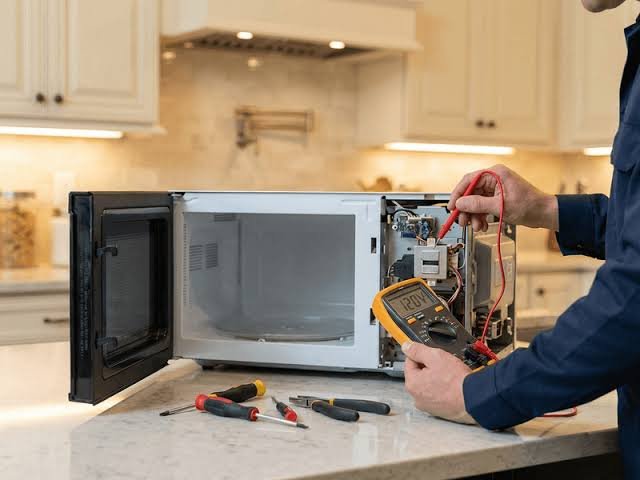
While cleaning food splatter or replacing a burnt waveguide cover is easy, working with internal components like capacitors can be extremely dangerous due to stored high voltage. If your microwave is more than 8–10 years old or experiencing magnetron failure, replacing the unit is often safer and more cost-effective than repairing it.