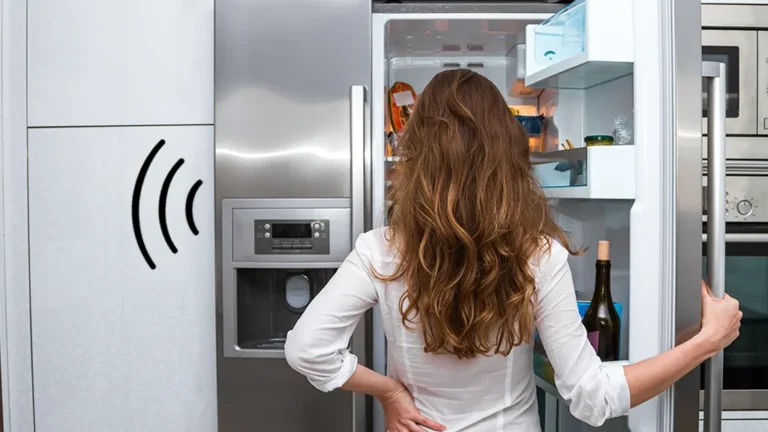
Discovering that your refrigerator is warm can instantly trigger panic. After all, spoiled groceries and ruined meals add up quickly. Fortunately, not every cooling failure requires an expensive technician visit. Many of the most common refrigerator issues have straightforward DIY fixes.
Read on to explore the top reasons why your refrigerator isn’t cooling properly and how you can fix them.
Dirty or Dusty Condenser Coils
Condenser coils are responsible for releasing heat from your refrigerator’s system. Over time, pet hair, dust, grease, and household debris naturally accumulate on these vital coils. This heavy buildup acts like an insulating blanket, causing the compressor to work much harder than necessary. Consequently, cooling efficiency drops significantly, your energy bills rise, and the appliance ultimately loses its ability to maintain safe internal temperatures.
Where to Look?
Finding your refrigerator’s condenser coils depends on the specific model type you own. On most modern standard refrigerators, these coils are conveniently located underneath the unit, hidden right behind the bottom kickplate grill. However, if you happen to own an older refrigerator model, you will typically find the exposed metal coils positioned flat across the very back exterior wall.
The Solution
Cleaning your refrigerator coils is a quick, inexpensive DIY project. First, unplug the appliance for safety. Remove the lower front grille or back access panel. Using a long-handled coil brush and your vacuum cleaner attachment, gently loosen and suck away all trapped dust and pet hair. Repeat this simple maintenance process every six months to keep your fridge running efficiently.
A Malfunctioning Evaporator Fan
The evaporator fan plays a critical role in your refrigerator system by actively circulating cold air from the freezer compartment into the main fresh food section. When this essential fan motor fails or the blades become completely blocked by thick frost buildup, your refrigerator will start warming up quickly, even while your freezer might strangely remain at a normal, relatively cold temperature.
Signs of Failure
The most common warning signs include a noticeable lack of cold airflow coming directly from the interior freezer vents. Additionally, you might hear unusual squealing, clicking, or loud grinding noises echoing from inside the freezer compartment. These distinct sounds usually indicate that the fan motor bearings are wearing out or the blades are physically obstructed.
The Solution
First, unplug your refrigerator and inspect the freezer interior for excess frost blocking the fan blades. Gently melt any ice with a hairdryer on a low setting. If the blades spin freely by hand but the motor remains unresponsive when plugged back in, you will need to purchase and install a brand-new evaporator fan motor assembly to restore proper cooling.
Defective Temperature Control Thermostat
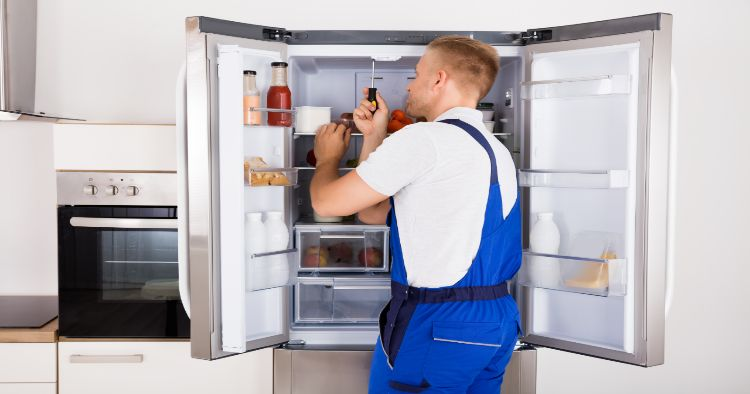
Sometimes the underlying issue is simply that your thermostat isn’t accurately sensing internal temperatures or failing to send the correct electrical signals to the compressor and cooling fans. When this critical component malfunctions, your refrigerator will fail to cycle properly, leading to random temperature fluctuations. The appliance might run constantly or never turn on at all, putting all your perishable stored food items at high risk of very rapid spoilage.
The Test
To check if your thermostat is working, turn the dial from its lowest setting to the midpoint and carefully listen for an audible click. If you do not hear a click, or if the interior lights work while the compressor remains completely dead, your thermostat is likely broken or faulty.
The Solution
If the thermostat fails your continuity test, replacement is necessary. First, unplug the refrigerator for safety. Access the control housing, disconnect the wires from the old thermostat terminals, and remove it. Install the new replacement unit by securing it in place and reconnecting the wires correctly to restore proper cooling.
Failed Defrost System Components
Modern refrigerators feature an automatic defrost system designed to prevent ice from choking the evaporator coils. When components like the defrost timer, heater, or thermostat fail, thick frost builds up over the coils. This heavy frost blocks essential airflow and severely restricts chilling capacity, causing your freezer to stay cold while the main fresh food compartment warms up rapidly, threatening your perishable groceries with quick spoilage and expensive food waste.
The Solution
Manually defrost the refrigerator by unplugging it for an entire day with the doors open. If cooling works temporarily but fails again soon after, a defrost component needs replacement. Use a multimeter to test the defrost heater and thermostat for electrical continuity, then replace any faulty part for reliable operation.
Quick Troubleshooting Summary
| Problem Area | Likely Symptom | Recommended Action |
| Condenser Coils | Warm fridge, unit running constantly | Vacuum and clean coils |
| Evaporator Fan | Freezer cold, fridge warm, no airflow | Clear ice or replace motor |
| Door Seals (Gaskets) | Condensation around doors, warm air leaks | Clean seals or replace if torn |
| Start Relay | Clicking sound, compressor won’t start | Test and replace relay switch |
When to Call a Professional?
While troubleshooting minor parts like door seals, coils, and thermostats can save you money, complex sealed-system issues—such as refrigerant leaks or a dead compressor—require specialized tools and certified technician expertise.