Opening your dishwasher at the end of a cycle, only to find a stagnant pool of dirty water sloshing at the bottom, is an unwelcome chore surprise. Not only is it frustrating, but standing water can also breed unpleasant odors, bacteria, and mildew.
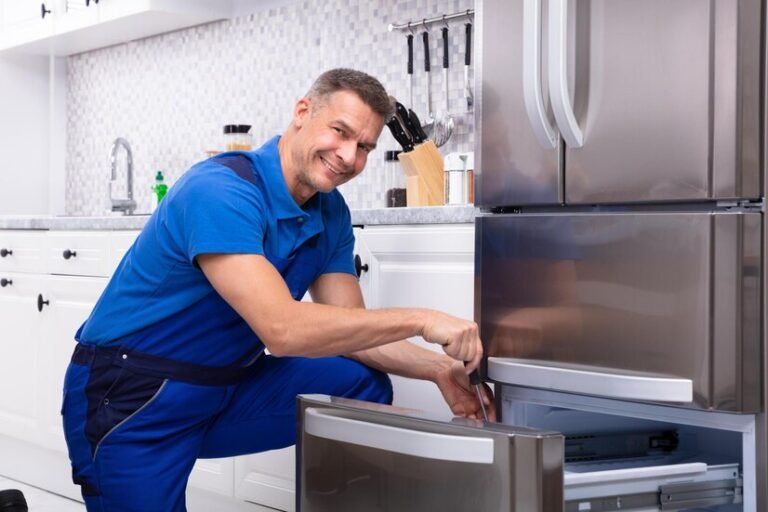
Before you call an expensive repair technician, take a deep breath. Most dishwasher drainage issues are caused by minor blockages that you can easily troubleshoot and fix yourself in under 30 minutes.
Let’s dive into the most common culprits behind a dishwasher that won’t drain and how you can fix them.
The #1 Culprit: A Clogged Dishwasher Filter
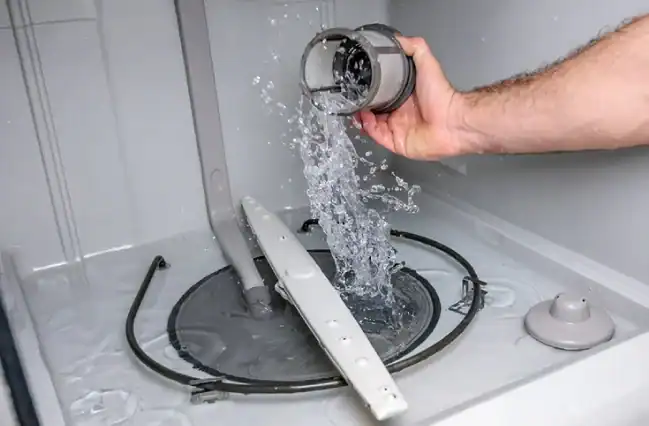
The most frequent reason for poor drainage is a blocked filter assembly. Modern dishwashers feature internal filters designed to catch food particles, paper labels, and grease before they reach and damage the drain pump. Over time, these filters get packed with debris, effectively blocking water from flowing out.
The Fix
- Turn off your dishwasher and remove the bottom dish rack.
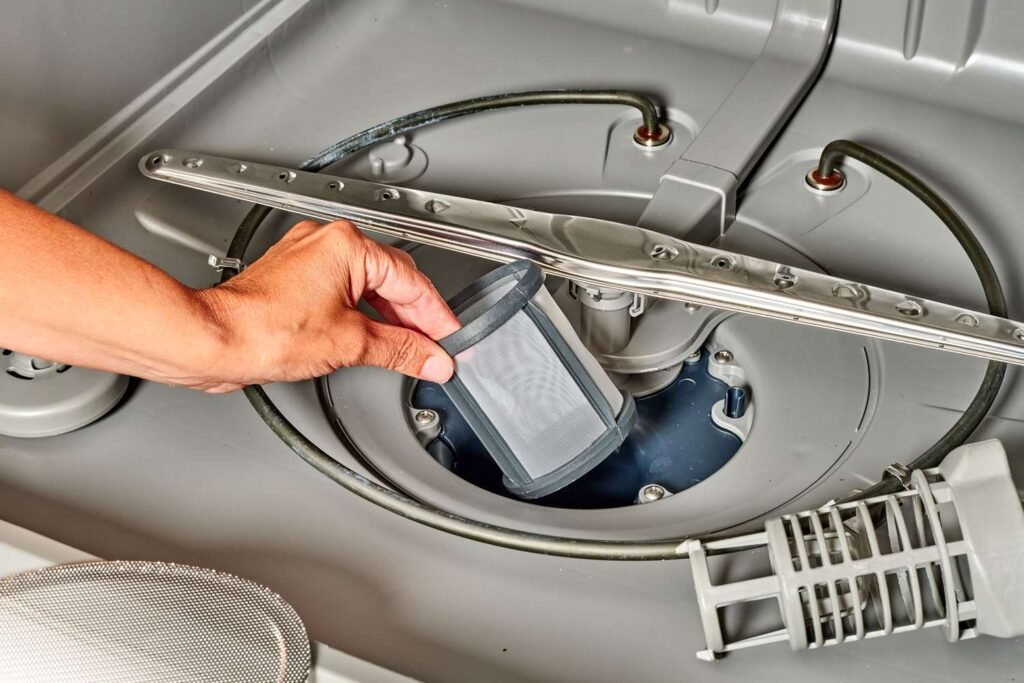
- Locate the cylindrical or mesh filter at the base of the tub (consult your manual if needed).
- Twist and pull the filter out.
- Rinse it thoroughly under warm running water. Use a soft-bristled brush (like an old toothbrush) to gently scrub away stubborn grease or food buildup.
- Check the surrounding sump area for stray food bits or broken glass, then re-lock the filter securely into place.
A Blocked or Kinked Drain Hose
If your filter is spotless but water still refuses to leave, the problem might be hiding in the drain hose. The drain hose carries wastewater from the appliance into your kitchen sink plumbing or garbage disposal. If it gets pinched, kinked behind the machine, or clogged with gunk, drainage stops.
The Fix
- Safely disconnect power to the dishwasher.
- Look underneath your kitchen sink to find the dishwasher drain hose.
- Check the length of the hose for visible bends, kinks, or crushing.
- Place a bucket and towels underneath the connection point, loosen the clamp, and detach the hose from the sink or disposal.
- Clear any interior blockages using a long, flexible brush or a straightened wire coat hanger, then flush it out with water before reconnecting.
Garbage Disposal and Air Gap Blockages
If your dishwasher drains directly into your kitchen sink’s garbage disposal, a blocked disposal can easily back up into the dishwasher. Similarly, if your sink is fitted with an air gap (the small metal cylinder on top of your sink), it can become choked with grease and debris.
The Fix
- For Garbage Disposals: Run your garbage disposal with a steady stream of cold water to clear out any lingering food waste. If the disposal was newly installed, check to ensure the plastic knockout plug inside the dishwasher inlet nipple was actually removed!
- For Air Gaps: Remove the decorative cap of the air gap, unscrew the plastic cover, and clear out any built-up sludge or gunk from the inner tube using a small brush.
A Faulty or Jammed Drain Pump
If you’ve checked the filter and cleared the hoses, the issue may lie with the drain pump itself. Over time, small shards of broken glass, toothpicks, or bone fragments can slip past the filter and jam the pump’s internal impeller, preventing it from spinning. Alternatively, the pump motor may have electrically failed.
The Fix
- Access the drain pump by removing the lower access panel (kickplate) beneath the dishwasher.
- Locate the pump and inspect it for obstructions or foreign objects blocking the impeller blades.
- If the impeller spins freely after clearing debris, reassemble the unit. If the pump is jammed due to broken parts or its electrical motor is dead (which can be tested with a multimeter), you will need to replace the drain pump unit.
Preventative Tips to Keep Your Dishwasher Draining Smoothly
Prevention is always easier than a messy kitchen repair. Follow these quick habits to protect your dishwasher:
Scrape, Don’t Rinse
Modern dishwashers and their advanced enzyme-based detergents are designed to latch onto food particles to clean effectively. Pre-rinsing your dishes under the tap is not only a waste of water and time, but it actually prevents your machine’s sensors from working properly. Instead, simply scrape large chunks of food and bones directly into the trash or compost bin before loading, and let your dishwasher do the heavy lifting.
Run Hot Water First
For optimal cleaning performance and grease breakdown, your dishwasher needs hot water right from the very start of its cycle. Before you press start, turn on your kitchen sink tap and let it run until the water turns hot. This purges the cold water sitting in your household pipes so that your dishwasher fills with steaming water immediately, ensuring soap dissolves completely and stubborn fats melt away instantly.
Clean Monthly
Establishing a routine monthly maintenance habit is the ultimate secret to preventing unexpected clogs, foul odors, and standing water. Every four to six weeks, take a few minutes to remove and wash your dishwasher’s filter assembly under warm, soapy water. Wipe down the door seals, clear out the spray arm holes, and run an empty cycle with a specialized cleaner or a cup of white vinegar to keep components pristine.
Conclusion
A standing pool of dirty water in your dishwasher is frustrating, but it rarely requires an expensive service call. By tackling simple culprits like a blocked filter, a kinked drain hose, or a jammed garbage disposal, you can restore proper drainage quickly. Maintain these easy preventative habits, and your appliance will keep running smoothly, efficiently, and odor-free for years to come.