Imagine walking into the laundry room, ready to move your clothes to the dryer, only to find your washing machine filled with a pool of murky, soapy water. A washer that refuses to drain is one of the most frustrating household emergencies. Not only does it halt your laundry routine, but standing water can also lead to unpleasant odors, mold growth, and potential water damage to your floors.
Before you panic or call a repair technician, it helps to understand what causes this common appliance headache. Let’s break down the most frequent reasons why your washing machine won’t drain and how you can troubleshoot the issue.
A Clogged Drain Pump Filter
One of the most common culprits behind drainage failure is a blocked pump filter. Over time, items like coins, hairpins, lint, pet hair, and small pieces of tissue escape from pockets and accumulate in the pump filter.
The Fix
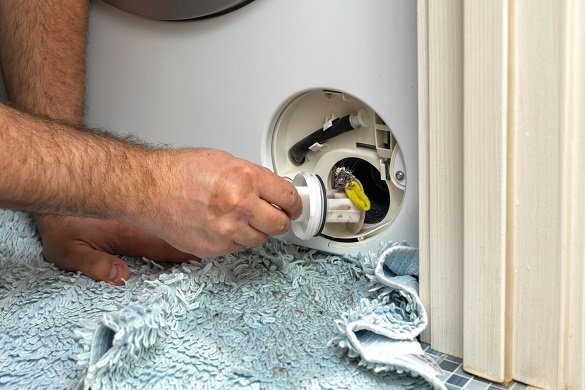
Most front-load washers (and some top-loaders) feature a small access panel near the bottom front of the machine. Place a shallow pan and some old towels underneath, open the panel, and carefully unscrew the filter plug. Clear out any debris, rinse the filter, and screw it back tightly.
Kinked or Clogged Drain Hose
The drain hose connects your washing machine to your home’s plumbing system. If this hose gets pushed too far back against the wall, it can easily become bent or kinked, completely blocking the flow of water. Alternatively, a buildup of detergent residue and lint can create a stubborn clog inside the hose.
The Fix
Pull the washing machine away from the wall carefully and inspect the hose. Straighten out any visible kinks. If you suspect a clog inside the hose, detach it from both the machine and the wall pipe, and flush it out with a garden hose.
Blocked Standpipe or House Plumbing
Sometimes the issue isn’t your washing machine at all, but your home’s plumbing system. If the vertical pipe (standpipe) where your drain hose empties is clogged with lint, grease, or debris, the water has nowhere to go and will back up.
The Fix
Check if your home’s other nearby drains (like a utility sink or floor drain) are draining slowly. If the standpipe is clogged, you may need to use a plumbing snake or a safe drain cleaner to clear the blockage down the line.
A Defective Drain Pump
If the drain pump itself fails, your washer cannot force the water out of the drum. Pumps can suffer from electrical failures, or internal impellers can jam or break due to a stray piece of debris slipping past the filter.
The Fix
Listen closely during a spin or drain cycle. Do you hear a humming or buzzing noise, or complete silence? A humming sound often indicates a jammed or burned-out pump. If the pump is broken, it will typically need to be replaced by a professional.
Lid Switch or Door Latch Failure
Modern washing machines have built-in safety mechanisms. If the lid switch (on top-loaders) or the door latch (on front-loaders) is broken, the washing machine will assume the door is open. As a safety precaution, the washer will refuse to run high-speed spin or drain cycles.
The Fix
Check if the machine registers that the door is securely closed. If you don’t hear the usual locking click, or if the “door open” indicator light stays on, the latch or switch may need testing and replacement.
When to Call a Professional?
While clearing a clogged filter or straightening a hose are great DIY fixes, some problems require expert tools and training. If you have checked the filter, hoses, and standpipe and your washer still refuses to drain, you may be dealing with a failing control board, a broken internal switch, or a seized motor pump.